

Burial Vaults Explained by Funeral Homes in Reserve, LA
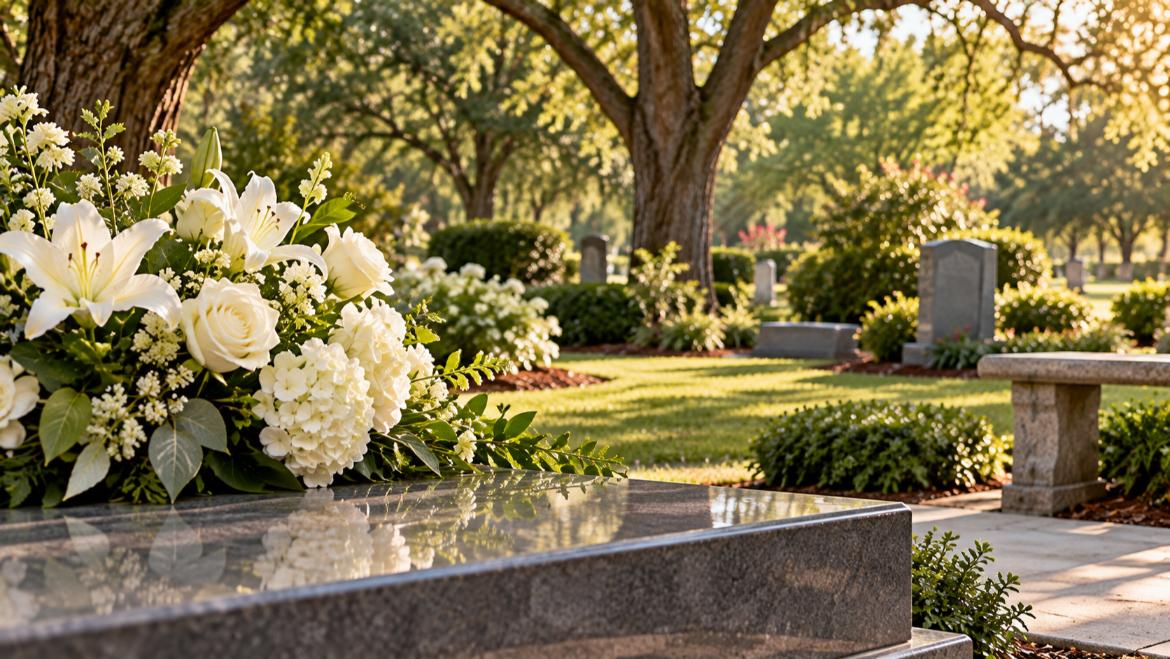
Families searching for funeral homes in Reserve, LA may have questions about burial vaults, especially when making arrangements for someone they love. A burial vault is an outer container placed around a casket in the ground. Its primary purpose is to support the surrounding soil and help maintain the gravesite over time. Understanding how vaults work, whether they are required, and what choices are available can help us make informed decisions while keeping our attention on honoring a meaningful life.
We understand that unfamiliar funeral terminology can make an already emotional experience more challenging. Families deserve straightforward explanations and compassionate support when considering burial arrangements. At Millet Guidry Funeral Home, we help families understand cemetery requirements, burial options, and the details that contribute to a respectful farewell. Our goal is to answer questions patiently and help loved ones make choices that reflect their wishes and traditions.
Key Takeaways About Burial Vaults
- Burial vaults surround caskets and help support the soil above a gravesite.
- Louisiana law does not require burial vaults, but individual cemeteries may.
- Burial vaults and grave liners serve similar purposes but have different structures.
- No burial vault can prevent natural changes to a casket indefinitely.
- Confirming cemetery rules before selecting a vault helps avoid unnecessary confusion.
What Does a Burial Vault Actually Do?
A burial vault is placed in the grave before the casket is lowered. Once the casket is inside, the vault is closed and the surrounding space is filled. The structure helps bear the weight of the soil and reduces the chance of uneven settling at the gravesite. This also helps cemetery staff maintain level pathways and grounds.
Although some vault designs include additional protective features, the practical purpose remains supporting the burial space. We want families to understand how burial vaults support the surrounding gravesite grounds without suggesting that any product can stop natural changes forever. Materials and designs differ, and the cemetery’s requirements should guide the options we consider.
How Is a Grave Liner Different?
Both a grave liner and a burial vault are outer burial containers, but they are constructed differently. A typical reinforced concrete grave liner covers the top and sides of a casket, while a vault usually encloses the bottom as well. Either may meet a cemetery’s basic ground-support requirement, depending on its specific rules. We can explain the difference and help families ask which structures the cemetery accepts.
Are Burial Vaults Required in Louisiana?
Louisiana law does not require a burial vault or grave liner for every burial. However, individual cemeteries are permitted to adopt rules requiring an outer burial container. Those policies help protect burial grounds against settling and support ongoing maintenance.
This means the answer depends on the cemetery and sometimes on the particular burial section. We encourage families to verify the current requirements before choosing a container. We can help coordinate that conversation so everyone knows whether a liner is acceptable, whether a vault is specified, and whether particular materials or dimensions are required.
| Planning Detail | Who Can Help Clarify It |
Why It Matters |
|---|---|---|
| Vault or liner requirement | Cemetery | Confirms which outer burial containers are accepted |
| Size or material standards | Cemetery | Helps avoid selecting an option that does not meet cemetery rules |
| Container compatibility | Funeral home | Helps confirm the selected option fits the casket and gravesite |
| Delivery and placement | Funeral home and cemetery | Clarifies who coordinates preparation and installation |
| Family preferences | Family and funeral home | Keeps the burial arrangement aligned with personal wishes and traditions |
A Common Myth About Burial Vaults
A vault does not make a burial site immune to every natural change. It is designed to support the surrounding earth, not to preserve a casket or human remains indefinitely. We believe families deserve accurate explanations rather than promises that no burial product can fulfill. Understanding these limits makes the decision clearer and keeps the focus on dignity and lasting remembrance.
How Do We Choose the Right Outer Burial Container?
The right choice begins with the cemetery’s rules and the family’s preferences, not with an assumption that one design suits every burial. Concrete is common, while some options use other construction materials or interior linings. We can review the descriptions and confirm how each option fits the intended gravesite.
Four Steps for Clear Burial Planning
- Confirm the cemetery’s policy. We begin by identifying the cemetery and burial section. We then clarify which outer containers are accepted and whether any particular standards apply.
- Compare the available designs. We explain the differences among accepted liners and vaults, including construction and size. We encourage questions about what each feature is meant to do.
- Check the burial arrangements. We confirm the selected container is compatible with the casket and gravesite. This prevents important details from being overlooked as the ceremony approaches.
- Coordinate placement and timing. We work with the cemetery and appropriate providers to clarify who handles preparation and installation. Families can then concentrate on the moments and traditions that matter most.
What Questions Should Families Ask?
A few practical questions can make unfamiliar choices easier. We encourage families to keep this brief checklist nearby when discussing the burial plan:
- Does this cemetery require a vault, or is a grave liner accepted?
- Are there specific size, material, or construction requirements?
- Who will coordinate delivery and placement at the gravesite?
- How does the cemetery maintain and care for the burial section?
We can discuss each question in plain language, including details that may be specific to the chosen cemetery. Clear answers help relatives feel involved without expecting them to become specialists in burial equipment.
How Does the Gravesite Support Family Remembrance?
A burial vault is a practical part of an arrangement, but the gravesite itself can become deeply meaningful. It offers family members a familiar place to visit, reflect, and honor anniversaries or other important moments. Supporting the ground is one part of caring for that space, while meaningful traditions and shared memories give it personal significance.
We can also discuss creating a lasting place for gathering and remembrance alongside the burial service. Whether a family wants a quiet graveside gathering or a larger ceremony, we listen to what feels appropriate. We believe the most important choices connect practical arrangements with respect for the person being remembered.
When burial decisions feel unfamiliar, we want families to know that clear explanations and careful coordination can make the process easier. We can help clarify cemetery rules, compare appropriate outer burial containers, and plan a service that honors personal wishes without unnecessary pressure. Our commitment is grounded in the people and experience behind our compassionate guidance, and we welcome questions at every stage. For families considering funeral homes in Reserve, LA, we offer thoughtful support in understanding vault choices and planning a dignified farewell. Millet Guidry Funeral Home welcomes your questions. Call (985) 536-7700 for expert guidance on burial arrangements and the steps that matter to your family.
